Key Characteristics of Modern Interior Design
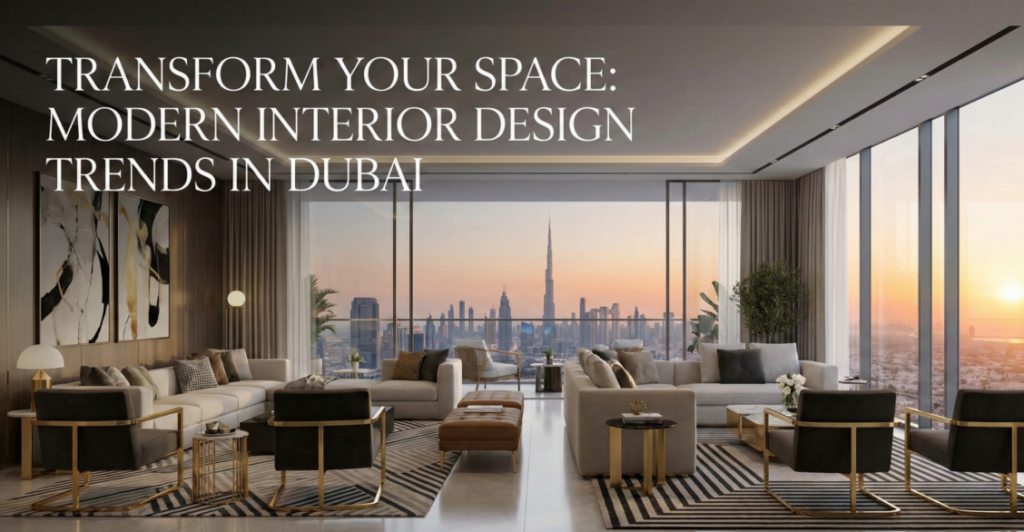
Modern interior design is defined by its clean lines, uncluttered spaces, and a focus on functionality. In Dubai, this design ethos is elevated with a touch of opulence, creating spaces that are both sleek and sophisticated. The essence of modern interior design lies in its simplicity, where every element serves a purpose, and the overall look is cohesive and harmonious. Key characteristics include open floor plans, a neutral color palette, and an emphasis on natural light. These elements work together to create a sense of spaciousness and calm, which is essential in the bustling cityscape of Dubai.
In this cosmopolitan city, modern designs often incorporate high-end materials such as marble, glass, and steel, which add a luxurious feel to any space. The use of these materials is not just about aesthetics; it’s also about creating durable and timeless interiors. The combination of these materials with minimalist design principles results in spaces that are both elegant and practical. Additionally, modern interiors in Dubai frequently feature statement pieces, whether it’s a bold piece of art or a unique piece of furniture, that add character and personality to the space.
Dubai’s modern interiors also place a strong emphasis on technology and innovation. Smart home features, integrated lighting systems, and advanced climate control are just a few examples of how technology is seamlessly blended into the design. This integration not only enhances the functionality of the space but also adds a layer of sophistication and convenience. The result is a home that is not only beautiful but also highly efficient and tailored to the needs of its occupants.
Popular Color Palettes for Dubai Interiors
Color plays a crucial role in modern interior design, and in Dubai, the choice of colors often reflects the city’s vibrant yet sophisticated lifestyle. Neutral tones such as whites, grays, and beiges are popular choices, as they create a calm and serene environment. These colors serve as a perfect backdrop for more vibrant accents, allowing homeowners to express their personal style without overwhelming the space. The use of neutral colors also enhances the natural light, making rooms feel brighter and more open.
In addition to neutral tones, metallics are a staple in Dubai interiors. Gold, silver, and bronze accents add a touch of glamour and luxury, reflecting the city’s penchant for opulence. These metallics can be incorporated through furniture, fixtures, and decorative accessories, adding a layer of sophistication to the design. The key is to use these accents sparingly, so they enhance rather than overpower the overall aesthetic.
Another popular trend in Dubai is the use of bold, vibrant colors as accent walls or statement pieces. Rich jewel tones like emerald green, sapphire blue, and ruby red can add depth and interest to a room. These colors are often used in combination with neutral tones to create a balanced and harmonious look. The strategic use of color not only enhances the visual appeal of the space but also can evoke certain moods and emotions, making the home feel more personalized and inviting.
Embracing Minimalism: Less is More
Minimalism is a design philosophy that emphasizes simplicity and functionality, and it has become increasingly popular in Dubai. This approach focuses on decluttering and creating open, airy spaces that are free from unnecessary distractions. The mantra of “less is more” is evident in the clean lines, uncluttered surfaces, and a limited color palette that defines minimalist interiors. The goal is to create a serene and calming environment that promotes peace and tranquility.
In a minimalist interior, every piece of furniture and decor serves a purpose. This means that each item is carefully chosen for its functionality and aesthetic appeal. Furniture is often sleek and streamlined, with an emphasis on quality over quantity. This approach not only creates a more organized and functional space but also allows the beauty of each piece to shine. The result is a home that feels both comfortable and stylish, without being overwhelming.
Minimalism also extends to the use of materials and textures. Natural materials like wood, stone, and leather are often used to add warmth and texture to the space. The focus is on quality and craftsmanship, with an emphasis on timeless design. By choosing materials that age well and endure, minimalist interiors in Dubai are not only beautiful but also sustainable. This approach aligns with the growing trend toward sustainability and conscious living, making minimalism a perfect fit for modern Dubai homes.
Incorporating Smart Technology in Interior Design
In Dubai, where innovation is at the forefront of urban development, smart technology has become an integral part of modern interior design. Home automation systems, voice-activated assistants, and integrated lighting solutions are just a few examples of how technology is enhancing the functionality and convenience of modern homes. These smart systems can control everything from lighting and climate to security and entertainment, providing homeowners with a seamless and intuitive living experience.
One of the most popular smart home features in Dubai is the integration of lighting control systems. These systems allow homeowners to customize the lighting in their homes to suit different moods and activities. For example, you can create a bright, energizing atmosphere for the morning, and a warm, relaxing ambiance for the evening, all with the touch of a button. This level of control not only enhances the comfort and convenience of the home but also adds a layer of sophistication and luxury.
Another important aspect of smart technology in interior design is home security. Advanced security systems with features like remote monitoring, motion detection, and facial recognition provide homeowners with peace of mind and enhanced safety. These systems can be integrated with other smart home features, allowing for a seamless and cohesive setup. The ability to control and monitor your home from anywhere in the world is particularly appealing in a dynamic city like Dubai, where residents often travel for business and leisure.
Sustainable Design Trends in Dubai
Sustainability is a growing trend in interior design globally, and Dubai is no exception. As the city continues to develop at a rapid pace, there is an increasing awareness of the importance of environmentally friendly practices. Sustainable design in Dubai focuses on using eco-friendly materials, reducing waste, and creating energy-efficient spaces. This approach not only benefits the environment but also creates healthier and more comfortable living spaces.
One of the key aspects of sustainable design is the use of natural and renewable materials. Wood, bamboo, and cork are popular choices for flooring, furniture, and decor. These materials are not only sustainable but also add warmth and texture to the space. Additionally, the use of recycled and upcycled materials is becoming more common, as homeowners look for ways to reduce their environmental impact. This trend is reflected in the growing popularity of vintage and reclaimed furniture, which adds character and history to modern interiors.
Energy efficiency is another important component of sustainable design. In Dubai, where temperatures can soar, energy-efficient cooling systems and insulation are essential. Homes are increasingly being designed with features like double-glazed windows, solar panels, and energy-efficient appliances. These features not only reduce energy consumption but also lower utility bills, making them a smart investment for homeowners. The emphasis on sustainability is not just a passing trend; it is a commitment to creating a better future for the city and its residents.
The Rise of Biophilic Design: Bringing Nature Indoors
Biophilic design is a concept that emphasizes the connection between humans and nature. In Dubai, this design philosophy is gaining traction as more people seek to bring the calming and restorative effects of nature into their homes. Biophilic design incorporates natural elements such as plants, water features, and natural light to create a harmonious and balanced environment. This approach not only enhances the aesthetic appeal of a space but also has numerous health and wellness benefits.
Indoor plants are a simple yet effective way to incorporate biophilic design into your home. Plants not only add color and texture to a space but also improve air quality and create a sense of tranquility. In Dubai, where the climate can be harsh, indoor plants provide a refreshing contrast to the arid surroundings. Popular choices include low-maintenance plants like succulents, snake plants, and peace lilies, which thrive indoors and require minimal care.
Water features are another key element of biophilic design. The sound of flowing water has a calming effect and can create a soothing ambiance in any space. Indoor fountains, aquariums, and water walls are popular choices for incorporating water into your home. These features not only enhance the visual appeal of a space but also promote relaxation and well-being. By creating a connection to nature, biophilic design helps to create a more balanced and harmonious living environment.
Furniture Trends: From Custom Pieces to Multi-Functional Designs
Furniture plays a crucial role in modern interior design, and in Dubai, the focus is on quality, craftsmanship, and innovation. Custom furniture is a growing trend, as homeowners seek unique pieces that reflect their personal style and preferences. Custom-made furniture allows for greater flexibility in terms of design, materials, and finishes, resulting in pieces that are truly one-of-a-kind. This trend is particularly popular in Dubai, where luxury and exclusivity are highly valued.
Another important trend in furniture design is the rise of multi-functional pieces. In a city where space can be at a premium, furniture that serves multiple purposes is highly desirable. Multi-functional furniture includes items like sofa beds, extendable dining tables, and storage ottomans, which maximize the use of space without compromising on style. These pieces are designed to be both practical and aesthetically pleasing, making them a perfect fit for modern Dubai homes.
Sustainability is also influencing furniture design, with an increasing demand for eco-friendly and ethically sourced materials. Furniture made from reclaimed wood, recycled metals, and organic fabrics is becoming more popular, as homeowners look for ways to reduce their environmental impact. This trend is not just about the materials used but also the manufacturing processes. It focuses on reducing waste and supporting fair labor practices. The result is furniture that is not only beautiful and durable but also aligned with the values of conscious living.
Cultural Influences on Modern Interior Design in Dubai
Dubai is a melting pot of cultures, and this diversity is reflected in its interior design trends. The city’s rich cultural heritage, combined with its status as a global hub, creates a unique blend of traditional and contemporary influences. Modern interior design in Dubai often incorporates elements from various cultures, resulting in spaces that are both eclectic and harmonious. This fusion of styles adds depth and character to the design, making each space truly unique.
One of the key cultural influences in Dubai’s interior design is the traditional Arabian style. This style is characterized by intricate patterns, rich textures, and vibrant colors. Elements such as geometric motifs, ornate woodwork, and luxurious fabrics are often incorporated into modern interiors, adding a touch of exotic elegance. The use of traditional Arabian design elements creates a connection to the city’s heritage while still maintaining a contemporary aesthetic.
In addition to Arabian influences, Dubai’s interior design is also inspired by global trends. European design principles, with their emphasis on clean lines and understated elegance, are particularly popular. Scandinavian design, known for its simplicity and functionality, is another significant influence. By blending these diverse styles, modern interior design in Dubai creates a cosmopolitan and sophisticated look that reflects the city’s dynamic character. This multicultural approach not only enhances the visual appeal of a space but also creates a more enriching and inspiring living environment.
Conclusion: Creating Your Dream Space in Dubai
Transforming your space with modern interior design trends in Dubai is an exciting journey that combines innovation, luxury, and cultural richness. By understanding the key characteristics of modern design, embracing minimalism, incorporating smart technology, and focusing on sustainability, you can create a home that is both stylish and functional. The rise of biophilic design and the trend toward custom and multi-functional furniture further enhance the possibilities. It allows you to tailor your space to your unique needs and preferences.
Dubai’s diverse cultural influences add an extra layer of depth and character to modern interiors. It results in spaces that are not only beautiful but also meaningful. Whether you are inspired by traditional Arabian design, contemporary European styles, or a blend of both, the opportunities for creativity are endless. The key is to find a balance between aesthetics and functionality, creating a space that reflects your personality and lifestyle.
In conclusion, modern interior design in Dubai is about more than just following trends Iit’s about creating a home that enhances your quality of life. By staying informed about the latest design trends and incorporating elements that resonate with you, you can transform your space into a sanctuary that offers comfort, beauty, and inspiration. Dubai’s dynamic and innovative spirit provides the perfect backdrop for exploring new design possibilities. It creates a dream space that you will love for years to come.