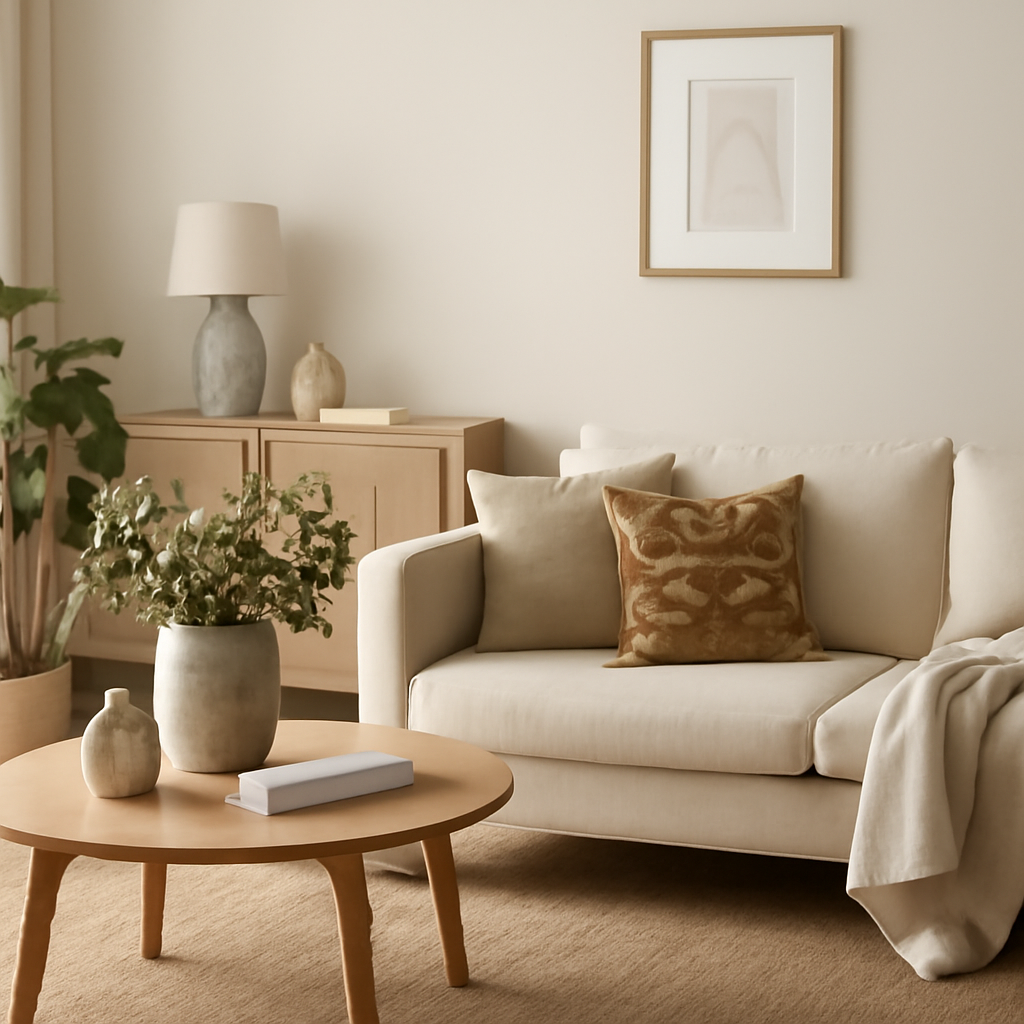
The Complete Guide to Interior Design
Introduction
Your business’s physical space speaks volumes before a single word is exchanged. For small business owners in the MENA region, particularly in Dubai’s competitive market, interior design is not merely about aesthetics—it is a strategic investment that influences customer perception, employee productivity, and ultimately, your bottom line. This comprehensive guide explores the essential principles of interior design tailored for small businesses, offering actionable insights to transform your commercial space into a powerful asset.
Section 1: Understanding the Foundations of Commercial Interior Design
Interior design for commercial spaces differs fundamentally from residential design. While residential design prioritises personal comfort and taste, commercial interior design must balance functionality, brand identity, and customer experience. For small business owners, this means every design decision—from colour palettes to furniture placement—should serve a strategic purpose. Dubai’s diverse clientele, comprising both locals and expatriates, demands spaces that feel simultaneously welcoming and professional. Research indicates that well-designed commercial environments can increase customer dwell time by up to 40% and improve employee satisfaction by 33%. Understanding these foundational principles allows you to approach interior design as a business tool rather than an expense, creating spaces that actively support your operational goals and brand positioning.
Section 2: Space Planning and Flow Optimisation
Effective space planning forms the backbone of successful interior design. For small businesses operating within limited square footage, maximising every square metre is crucial. Begin by mapping customer journeys through your space, identifying natural traffic patterns and potential bottlenecks. In retail environments, this might involve creating clear pathways that guide customers past key product displays. For service-based businesses, consider how clients move from reception to consultation areas. Dubai’s regulatory requirements, including accessibility standards and fire safety codes, must also inform your layout decisions. Professional interior designers recommend allocating approximately 60% of your floor space to customer-facing areas, 25% to operational zones, and 15% to storage. This balanced approach ensures your space functions efficiently while maintaining a comfortable atmosphere for both clients and staff.
Section 3: Colour Psychology and Brand Alignment
Colour selection in interior design carries significant psychological weight, directly influencing how customers perceive your business. Warm tones like terracotta and amber can create feelings of comfort and approachability, making them ideal for hospitality and wellness businesses. Cool blues and greens evoke professionalism and calm, suiting financial services or healthcare environments. Dubai’s unique cultural context adds another layer of consideration—certain colours carry specific meanings across different communities. Your interior design colour scheme should align with your brand identity while respecting local sensibilities. For small businesses, a cohesive palette of three to five colours applied consistently across walls, furniture, and accessories creates visual harmony without overwhelming the space. Testing colour samples under different lighting conditions is essential, as natural and artificial light can dramatically alter how colours appear throughout the day.
Section 4: Lighting Design for Function and Ambiance
Lighting is perhaps the most transformative element in commercial interior design, yet it is frequently overlooked by small business owners. A layered lighting approach combines ambient, task, and accent lighting to create depth and functionality. Ambient lighting provides general illumination, while task lighting focuses on specific work areas like reception desks or consultation tables. Accent lighting highlights architectural features or product displays, adding visual interest. In Dubai’s climate, where natural light is abundant, strategic window placement and adjustable blinds allow you to harness daylight while managing heat and glare. Energy-efficient LED solutions reduce operational costs and align with the UAE’s sustainability goals. Proper lighting design can reduce eye strain for employees by up to 50% and create an inviting atmosphere that encourages customers to linger and explore your offerings.
Section 5: Furniture Selection and Ergonomic Considerations
Furniture choices directly impact both customer comfort and employee wellbeing. When selecting pieces for your interior design scheme, prioritise durability, functionality, and ergonomics over purely aesthetic considerations. For small businesses, multipurpose furniture offers excellent value—consider modular seating that can be reconfigured for different events or desks that accommodate both sitting and standing positions. Dubai’s diverse workforce and clientele require furniture that accommodates various body types and abilities. Ergonomic chairs and adjustable workstations reduce the risk of musculoskeletal issues, which account for approximately 30% of workplace absences globally. Investing in quality furniture may require a higher upfront cost, but the long-term benefits include reduced replacement frequency, improved employee productivity, and enhanced customer satisfaction. Always request samples and test furniture before committing to large purchases.
Section 6: Material Selection and Maintenance Planning
The materials you choose for your interior design project affect not only aesthetics but also ongoing maintenance costs and durability. High-traffic commercial spaces require robust materials that withstand daily wear while maintaining their appearance. Porcelain tiles and luxury vinyl flooring offer excellent durability for Dubai’s sandy environment, while commercial-grade carpet tiles allow for easy replacement of stained sections. Wall finishes should balance visual appeal with cleanability—washable paints and antimicrobial surfaces are particularly valuable in healthcare and food service settings. Consider the total cost of ownership rather than initial purchase price; materials that require frequent replacement or intensive cleaning quickly become expensive. Your interior design plan should include a maintenance schedule that outlines cleaning protocols and replacement timelines, ensuring your investment continues to serve your business effectively for years to come.
Section 7: Incorporating Technology and Sustainability
Modern interior design increasingly integrates technology and sustainable practices. Smart lighting systems that adjust based on occupancy reduce energy consumption by up to 30%, while automated climate control improves comfort and efficiency. For small businesses, technology should enhance rather than complicate the customer experience—consider digital signage that updates promotions in real-time or booking systems integrated into reception areas. Sustainability in interior design extends beyond energy efficiency to include material sourcing, waste reduction, and indoor air quality. Dubai’s Green Building Regulations encourage businesses to adopt environmentally responsible practices, which can also serve as a differentiator in a crowded market. Incorporating plants into your interior design improves air quality and creates a calming atmosphere; studies show that biophilic design can increase productivity by 15% and reduce stress levels significantly.
Key Takeaways
- Interior design for commercial spaces must balance aesthetics with functionality, brand identity, and customer experience to serve as a strategic business tool
- Space planning should prioritise customer flow and operational efficiency, with approximately 60% of floor space dedicated to customer-facing areas
- Colour psychology and lighting design significantly influence customer perception and employee wellbeing, requiring careful consideration of cultural context
- Furniture selection should emphasise durability, ergonomics, and multipurpose functionality to maximise value and accommodate diverse users
- Material choices and technology integration should balance initial costs with long-term maintenance requirements and sustainability goals
FAQ
Q: How much should a small business budget for commercial interior design in Dubai?
A: Budgets vary significantly based on space size and scope, but small businesses should typically allocate between 150 to 400 AED per square foot for professional interior design services and implementation. This includes design fees, materials, furniture, and installation. Starting with a phased approach allows you to prioritise high-impact areas while managing cash flow.
Q: How long does a typical commercial interior design project take?
A: A complete interior design project for a small business generally takes 8 to 16 weeks from initial consultation to completion. This timeline includes design development, material selection, procurement, and installation. Complex projects involving structural changes or custom furniture may require additional time. Planning for seasonal business cycles is advisable to minimise disruption.
Q: Do I need to hire a professional interior designer for my small business?
A: While not legally required, hiring a qualified interior designer is strongly recommended for commercial projects. Professional designers understand local building codes, space planning principles, and material specifications that can prevent costly mistakes. They also have access to trade discounts on furniture and materials, often offsetting their fees. For very small spaces with minimal requirements, a design consultation may suffice.
Conclusion
Interior design is a powerful investment that shapes how customers perceive your business and how employees perform their work. By approaching your commercial space strategically—considering space planning, colour psychology, lighting, furniture, materials, and technology—you create an environment that actively supports your business objectives. Dubai’s dynamic market rewards businesses that invest in thoughtful, professional design that respects local culture while embracing innovation. Whether you are renovating an existing space or launching a new venture, the principles outlined in this guide provide a solid foundation for creating a commercial interior that works hard for your business. Begin with a clear vision, invest wisely, and watch your space transform into one of your most valuable business assets.