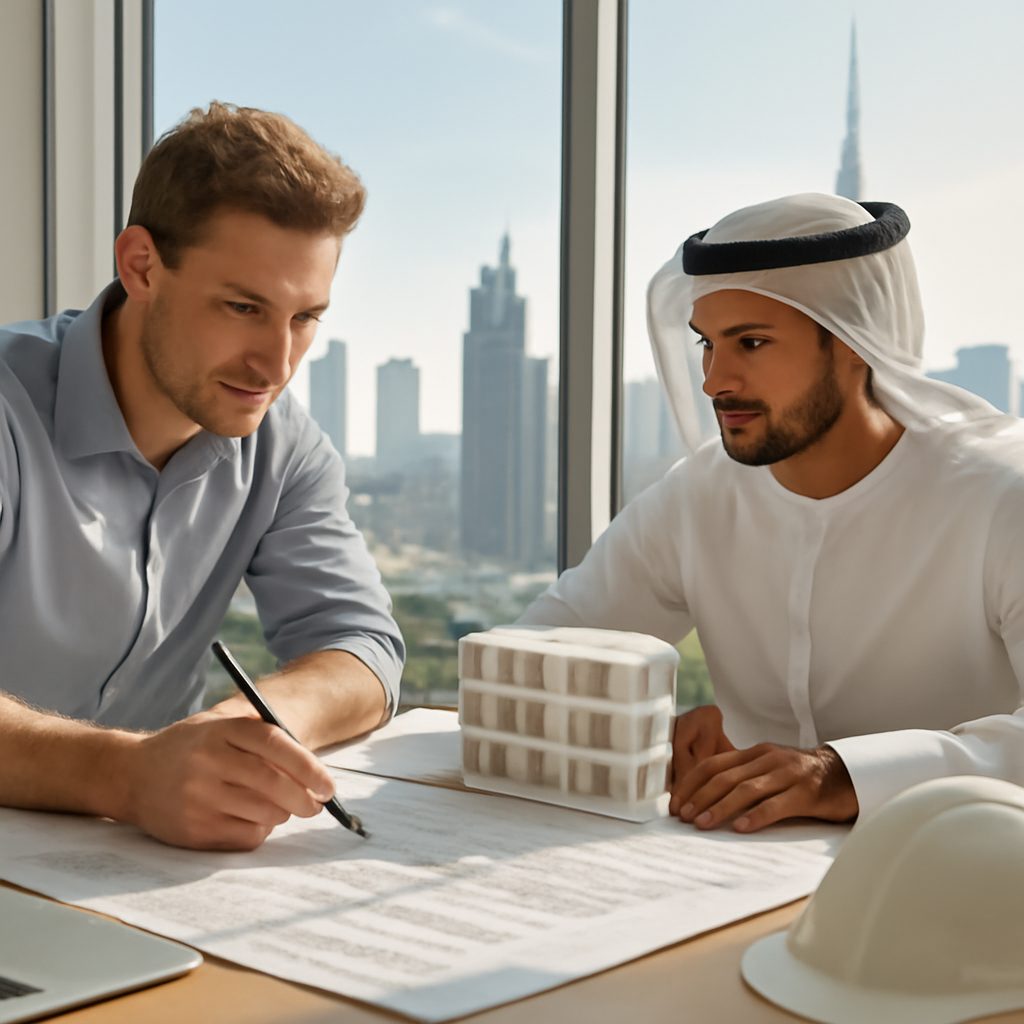
Design Company Dubai: How Local Expertise Changes Your Project Outcome
Introduction
In a city where first impressions can make or break a business, your brand’s visual identity is often the deciding factor between a passerby who walks in and one who walks past. Partnering with a design company Dubai-based and deeply rooted in the local market offers more than just aesthetic appeal—it provides strategic advantage that directly impacts your bottom line. This article explores how local expertise shifts the trajectory of your project, from cultural resonance to regulatory compliance, and why small business owners in particular stand to gain the most.
Section 1: Understanding Dubai’s Unique Design Landscape
Dubai’s design ecosystem is unlike any other global city, shaped by a fusion of Emirati heritage, expatriate influences, and world-class ambition. A design company Dubai operators understand that the city’s visual language must balance modernity with tradition, luxury with accessibility, and global appeal with local sensitivity. For example, colour palettes that work in London or New York may carry different connotations in the Gulf region. Green, for instance, holds deep cultural significance in Islamic tradition, while gold tones signal prosperity and prestige. Local designers know these nuances instinctively, ensuring your project resonates authentically with Dubai’s diverse audience of over 200 nationalities.
Consider the case of a homegrown F&B brand that launched in Jumeirah Beach Residence. Their initial branding, developed by an overseas agency, used a muted grey-and-white palette that felt sophisticated in European markets but failed to attract foot traffic in a neighbourhood known for vibrant, family-oriented dining. After partnering with a local design company, they introduced warm terracotta accents and Arabic calligraphy-inspired patterns. Within three months, customer engagement increased by 40%, and the brand became a local favourite. This is the difference between designing for a generic audience and designing for Dubai’s specific cultural tapestry.
Section 2: The Competitive Edge of Local Market Knowledge
Dubai’s business environment is fiercely competitive, with thousands of brands vying for attention across saturated sectors like hospitality, real estate, and retail. A design company Dubai-based brings intimate knowledge of what works—and what doesn’t—in this specific market. They understand that a minimalistic Scandinavian approach may feel cold to a local audience that values warmth and hospitality, while an overly ornate design could come across as trying too hard. Furthermore, local designers are familiar with the city’s peak business cycles, such as Dubai Shopping Festival and Expo-related events, allowing them to time your project launches for maximum impact. This contextual intelligence directly influences your return on investment.
Take the example of a boutique fitness studio opening in Dubai Marina. Their original concept, inspired by New York’s industrial gym aesthetic, featured exposed brick and dark lighting. A local design company advised against this, explaining that Dubai’s fitness clientele—predominantly women and young professionals—prefers bright, airy spaces with natural light and luxurious finishes like marble and brass. The redesigned studio not only attracted higher membership sign-ups but also became a popular Instagram destination, generating free organic marketing. The lesson is clear: what works in one market can actively repel customers in another.
Section 3: Navigating Regulatory and Cultural Requirements
One of the most overlooked aspects of design in Dubai is compliance with local regulations and cultural norms. A reputable design company Dubai-based will guide you through requirements that outsiders may not anticipate. For instance, signage must adhere to Dubai Municipality guidelines regarding font sizes, language placement (Arabic must appear before English), and even colour restrictions in certain zones. Additionally, imagery featuring people, animals, or religious symbols must be culturally appropriate. Working with a local firm prevents costly redesigns or rejected permit applications. They also understand the nuances of different free zones, such as DIFC or Dubai Media City, each with its own design and branding protocols.
A practical example: a European fashion retailer expanding to Dubai Mall initially submitted storefront designs featuring mannequins in revealing attire. Their international design team was unaware that Dubai’s regulatory bodies require all mannequins to be modestly dressed in public-facing displays. A local design company flagged this early, adjusted the visuals to include more conservative styling while maintaining the brand’s signature aesthetic, and saved the retailer approximately AED 50,000 in redesign and permit reapplication fees. Beyond regulations, cultural sensitivity extends to Ramadan—during this period, many businesses adjust their branding to reflect the spirit of the holy month, and local designers know exactly how to do this tastefully without diluting brand identity.
Section 4: Building Trust Through Local Networks and Partnerships
Trust is the currency of business in Dubai, and a design company Dubai-based has already invested years in building relationships that benefit your project. They can connect you with reliable printers, signage fabricators, and digital agencies who understand local timelines and quality standards. More importantly, they have a track record visible within the community—previous clients you can verify, case studies you can review, and referrals you can trust. When you work with a local designer, you’re not just hiring creative talent; you’re gaining access to an ecosystem of vetted vendors and collaborators who can execute your vision without delays or miscommunication.
Consider the scenario of a small business owner launching a pop-up shop in City Walk. An international design firm might recommend a specific printing vendor based on portfolio work done elsewhere, only to discover that vendor cannot meet Dubai’s humidity-resistant material standards for outdoor signage. A local design company, however, already knows which suppliers use UV-resistant inks and waterproof laminates, and can negotiate bulk pricing based on established relationships. Furthermore, local designers often have direct lines to municipality inspectors, meaning they can expedite approvals that might otherwise take weeks. This network effect is particularly valuable for small business owners who cannot afford extended project timelines or unexpected costs.
Section 5: Real-World Results from Local Design Expertise
Consider a small business owner launching a boutique café in Alserkal Avenue. A non-local designer might create a beautiful but generic space that fails to attract the art-conscious crowd. In contrast, a design company Dubai-based would incorporate industrial-chic elements that complement the neighbourhood’s creative identity, use locally sourced materials like reclaimed wood from Al Quoz warehouses to reduce costs, and include a shisha-friendly outdoor area that appeals to local patrons. The result is a space that feels both curated and welcoming, driving foot traffic and repeat customers. This level of tailored thinking is what separates a good design from a transformative one.
Another compelling case involves a Dubai-based e-commerce startup selling premium dates and Arabic sweets. Their initial packaging, designed by an international agency, used minimalist white boxes with small gold foil accents—elegant but easily lost on crowded retail shelves. A local design company redesigned the packaging to feature bold geometric patterns inspired by traditional Islamic art, vibrant jewel tones that signal premium quality in the Gulf market, and bilingual labelling that placed Arabic prominently. Within six months of the redesign, the startup secured shelf space in Spinneys and Waitrose, and their online conversion rate increased by 28%. The owner attributed this success directly to the local design team’s understanding of what makes a product stand out in Dubai’s competitive grocery sector.
Key Takeaways
- Local design expertise ensures cultural and regulatory compliance, preventing costly mistakes that can delay your launch by weeks or months.
- A design company Dubai-based understands the competitive landscape and can position your brand effectively against hundreds of similar businesses in your sector.
- Built-in vendor networks and local relationships streamline project execution, reduce costs through negotiated rates, and eliminate supply chain surprises.
- Designs tailored to Dubai’s diverse audience—from Emirati nationals to expatriates from over 200 countries—resonate more deeply and drive better business outcomes.
- Investing in local knowledge upfront saves time, money, and reputation in the long run, particularly for small business owners with limited budgets for corrections.
FAQ
Q: How do I choose the right design company in Dubai for my small business?
A: Look for a portfolio that includes projects similar in scale and industry to yours. Request client references and ask about their experience with local regulations and free zone requirements. A shortlist of three firms and a discovery call with each will help you assess cultural fit. Additionally, ask about their vendor network—a well-connected firm can save you 15–20% on production costs through established supplier relationships.
Q: Is it more expensive to work with a local design company versus an international one?
A: Not necessarily. While local firms may charge competitive rates, they save you money by avoiding redesigns, permit rejections, and supply chain delays. A typical branding project with a local firm might cost AED 25,000–50,000, while an international agency could charge AED 60,000–100,000 plus travel expenses. The total cost of a project with a local partner is often lower when factoring in efficiency and compliance. More importantly, local firms offer faster turnaround times because they don’t need to navigate time zone differences or coordinate remote approvals.
Q: How long does a typical branding or interior design project take in Dubai?
A: Timelines vary by scope, but a branding project typically takes 4–8 weeks, while interior design for a commercial space can take 8–16 weeks. A local design company can provide realistic timelines based on current municipality processing times and contractor availability. For example, signage permits in Dubai now take an average of 5–7 business days, but this can double during peak periods like Q4 when many businesses launch before the holiday season. Local designers build these variables into their project plans, so you receive accurate deadlines rather than optimistic estimates.
Q: What specific cultural considerations should I be aware of for my brand’s visual identity in Dubai?
A: Beyond colour symbolism, consider that imagery featuring alcohol, gambling, or immodest clothing is strictly prohibited.