Bespoke Joinery Trends in Dubai: Why Custom Woodwork Is a Must for Modern Homes
The Dubai skyline continues to evolve, and so do the interiors within its luxury residences and commercial spaces. In 2026, homeowners and business owners alike are moving away from mass-produced furniture, seeking instead the precision, personality, and permanence that only custom woodwork can provide. This article explores the defining trends in bespoke joinery across Dubai and explains why investing in tailored timber solutions has become essential for creating spaces that are both functional and unforgettable.
The Rise of Seamless Integration in Dubai’s Interiors
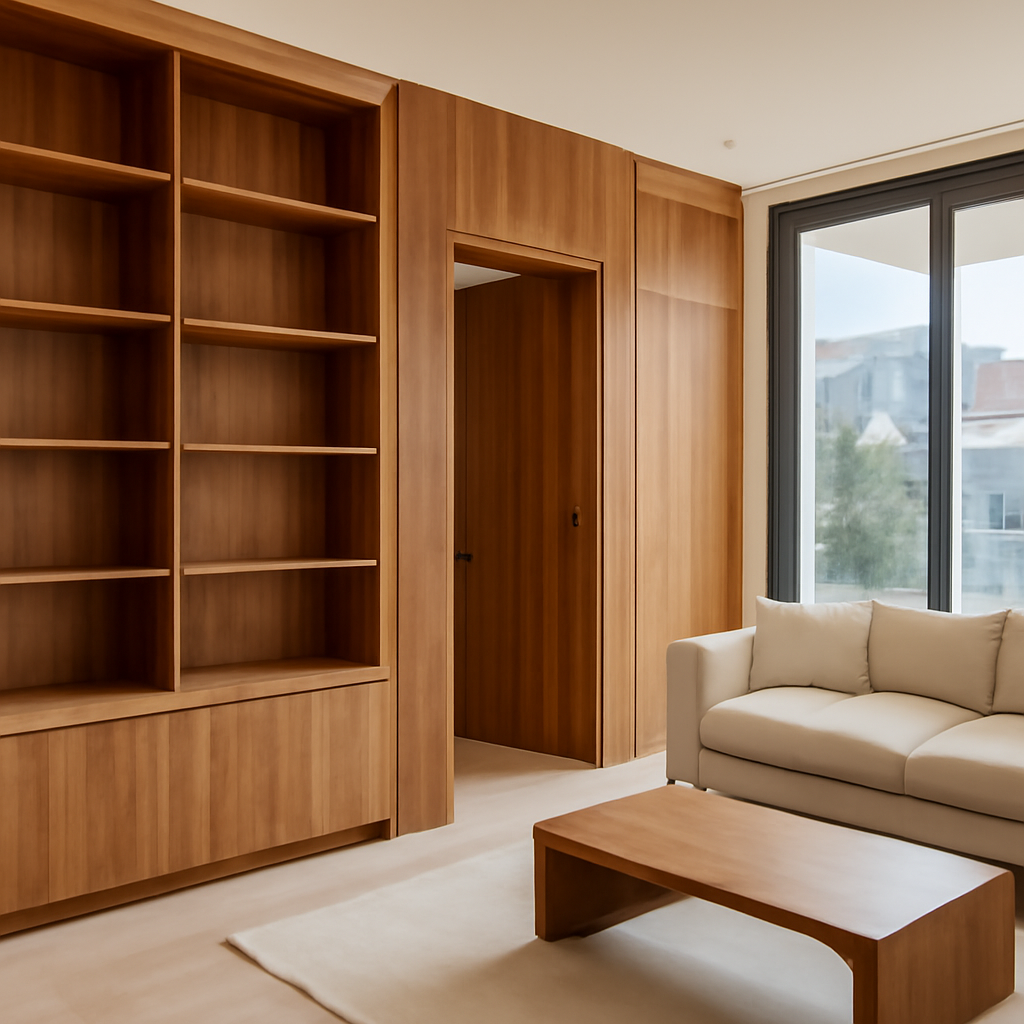
One of the most significant shifts in Dubai’s joinery landscape is the demand for designs that appear to disappear into the architecture. Homeowners are no longer satisfied with freestanding cabinets that disrupt the visual flow of a room. Instead, they are commissioning floor-to-ceiling joinery that blends flush with walls, conceals hardware, and creates uninterrupted planes of natural wood. This approach, often referred to as "invisible joinery," is particularly popular in contemporary villas across Palm Jumeirah and Emirates Hills, where clean lines and minimalist aesthetics dominate. The result is a home that feels larger, calmer, and more intentional, with every storage solution purpose-built for its location.
Biophilic Design and the Return of Natural Materials
As urban life in Dubai becomes increasingly fast-paced, residents are turning to interiors that reconnect them with nature. Bespoke joinery in 2026 is embracing raw, unprocessed timbers such as oak, walnut, and teak, often finished with matte oils that preserve the wood’s natural grain and texture. This trend extends beyond mere aesthetics; it is a response to a growing awareness of wellness and sustainability. Custom joinery allows for the incorporation of living elements, such as integrated planters or green walls framed in timber, creating a harmonious balance between built and natural environments. For small business owners, this translates into office spaces that reduce stress and enhance productivity through thoughtful, organic design.
Multifunctional Joinery for Space-Optimised Living
With premium square footage at a premium across Dubai, every centimetre must work harder. Bespoke joinery is answering this challenge with ingenious multifunctional solutions. Think of a home office that folds away into a wall unit, a dining table that retracts into a console, or a children’s bedroom where the bed, desk, and storage are carved from a single, continuous piece of joinery. These designs are not merely clever; they are a strategic investment in a property’s usability. For entrepreneurs operating boutique businesses from home, such custom joinery creates seamless transitions between professional and personal zones without compromising on style or space.
The Influence of Middle Eastern Craftsmanship and Geometry
While global minimalism remains influential, a distinctively regional aesthetic is emerging within Dubai’s bespoke joinery scene. Artisans are drawing on traditional Islamic geometric patterns and Arabic calligraphy, translating them into intricate wood inlays, carved panels, and laser-cut screens. These elements are being integrated into modern joinery—such as wardrobes, kitchen islands, and room dividers—creating a dialogue between heritage and contemporary design. This trend resonates deeply with local homeowners and expatriates alike, offering a way to celebrate the region’s rich artistic history within a modern context. For small business owners, incorporating such details into a reception area or meeting room can leave a lasting impression on clients.
Sustainable Sourcing and Local Fabrication
Environmental consciousness is no longer a niche concern; it is a core expectation for discerning clients in Dubai. The bespoke joinery industry is responding by prioritising timber certified by the Forest Stewardship Council (FSC), reclaimed wood from local demolition sites, and rapidly renewable materials like bamboo. Furthermore, a growing preference for locally fabricated joinery reduces the carbon footprint associated with international shipping and supports the UAE’s vision for a diversified, sustainable economy. Clients are increasingly asking about the provenance of their materials, and joinery workshops that can trace their timber from forest to finished piece are gaining a clear competitive advantage.
Smart Integration and Lighting Within Joinery
Technology is being woven into the very fabric of custom woodwork. In 2026, it is common to see joinery that conceals hidden charging stations, integrated speakers, automated lighting strips, and motorised mechanisms for raising or lowering shelving. These features are not afterthoughts; they are meticulously planned during the design phase, with wiring and components hidden within the joinery’s structure. For a home cinema, this might mean cabinetry that houses all audiovisual equipment behind a seamless wooden panel. For a retail space, it could involve display units with adjustable, sensor-activated lighting that highlights products without visible cables. This fusion of craft and technology elevates joinery from furniture to infrastructure.
Key Takeaways
- Bespoke joinery in Dubai is moving toward seamless, invisible designs that prioritise clean lines and spatial flow.
- Natural, sustainable materials and biophilic elements are central to contemporary custom woodwork.
- Multifunctional joinery solutions are essential for maximising valuable square footage in urban homes and offices.
- Regional geometric and calligraphic influences are being reinterpreted through modern joinery techniques.
- Smart technology integration is becoming standard in high-end custom cabinetry and furniture.
FAQ
Q: How long does a typical bespoke joinery project take in Dubai?
A: The timeline depends on the project’s complexity. A single custom wardrobe may take four to six weeks from design to installation, while a full-home joinery package can require three to six months. This includes consultation, material sourcing, fabrication, and on-site fitting.
Q: Is bespoke joinery significantly more expensive than ready-made furniture?
A: Yes, custom joinery generally carries a higher upfront cost due to the craftsmanship, premium materials, and personalised design. However, it offers greater longevity, a perfect fit for your space, and can increase a property’s resale value, making it a worthwhile long-term investment.
Q: Can bespoke joinery be designed to match existing furniture or architectural styles?
A: Absolutely. One of the primary advantages of custom woodwork is its ability to harmonise with any existing interior. Skilled joiners can match wood species, stains, and finishes to complement your current decor, ensuring a cohesive and intentional look throughout your home or business.
Conclusion
The bespoke joinery trends shaping Dubai in 2026 reflect a broader cultural shift toward intentionality, quality, and personal expression. From invisible storage solutions that expand living space to timber designs that honour regional heritage, custom woodwork is no longer a luxury—it is a considered choice for those who value both form and function. Whether you are renovating a family villa or outfitting a boutique office, investing in tailored joinery ensures your space is not only beautiful but also uniquely yours. As the city continues to grow, the homes and businesses that stand out will be those built with care, craftsmanship, and a clear vision.