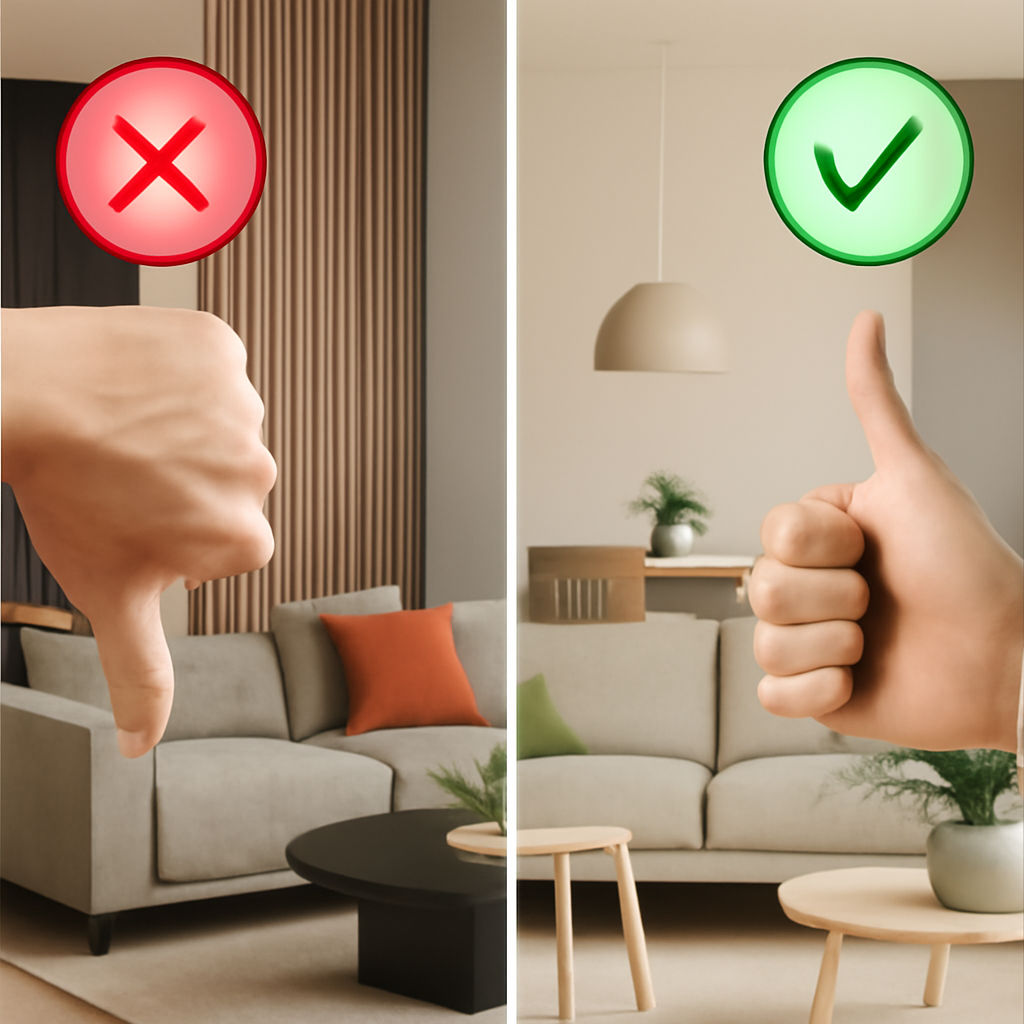
How to Vet an Interior Design Company in Dubai: Red Flags & Green Lights
Choosing the right interior design partner in Dubai is a high-stakes decision. With the city’s rapid pace of development and unique regulatory landscape, one wrong hire can derail your project timeline and budget. This article provides a clear framework for evaluating potential firms, helping you distinguish between warning signs and indicators of reliability, specifically tailored for small business owners navigating Dubai’s competitive commercial property market.
Red Flag #1: Vague Pricing and Hidden Fee Structures
A reputable interior design company in Dubai will provide transparent, itemised quotations. If a firm hesitates to break down costs for materials, labour, project management, and procurement, consider this a major warning. Hidden fees often surface later as "unforeseen expenses," which can inflate your budget by 20–30%. For small business owners operating on tighter margins, this can be devastating.
Consider this real scenario: A boutique café owner in JLT hired a designer who quoted a flat "all-inclusive" fee of AED 150,000. Midway through the project, additional charges appeared for "site supervision," "material sourcing coordination," and "permit handling fees" — adding AED 45,000 to the final bill. The client had no leverage because the original contract lacked detail.
Insist on a detailed scope of work that includes contingency allowances of at least 10–15%. In Dubai, where import duties and supplier markups vary significantly depending on whether materials come from Europe, China, or local suppliers, a lack of pricing clarity suggests either inexperience or a willingness to exploit client trust. Ask specifically about: design fees, procurement markups (typically 15–20%), project management charges, and any third-party consultant costs like MEP engineers or civil defence approvals.
Green Light #1: Verifiable Local Portfolio and Client References
Any credible firm should readily share a portfolio of completed projects within Dubai or the UAE. Look beyond aesthetic appeal—examine the functionality and compliance with local building codes. A green light is when a company provides multiple client references you can contact directly, ideally from businesses similar to yours.
Speak to past clients about three specific areas: timelines, communication responsiveness, and how the firm handled unexpected challenges. In Dubai’s market, word-of-mouth reputation among business owners is invaluable. For instance, a Dubai-based fitness studio owner might share how their designer navigated the specific ventilation and flooring requirements for gyms — knowledge that a generalist firm might lack.
Request to visit at least one completed project in person. Photos can be misleading, but walking through a space reveals material quality, finishing details, and how the design functions in real use. A firm confident in its work will gladly arrange site visits or provide video walkthroughs. Also check if the company has experience with your specific building or freezone — firms familiar with DMCC, DIFC, or Nakheel properties know the unique approval processes required.
Red Flag #2: Reluctance to Visit the Site or Understand Your Business
If an interior design company in Dubai proposes a design without first conducting an on-site assessment, proceed with extreme caution. Every space has structural quirks, and a virtual-only consultation may miss critical issues like load-bearing walls, HVAC limitations, or existing electrical capacity. In Dubai’s older buildings, hidden challenges like low ceiling heights or inadequate power supply are common.
Equally concerning is a firm that shows no interest in your business operations. They should ask about your workflow, customer traffic patterns, employee headcount, storage needs, and brand identity. A design that ignores these factors can harm your daily operations and long-term profitability.
For example, a Dubai-based dental clinic owner hired a residential-focused designer who created beautiful treatment rooms but failed to account for the specific plumbing, suction, and sterilisation requirements of a medical practice. The result? Costly retrofitting that delayed the opening by two months. A competent commercial interior design company should ask detailed operational questions during the initial consultation — they should understand your customer journey, staff flow, and any industry-specific regulations before drawing a single line.
Green Light #2: Clear Project Timeline and Milestone Deliverables
Professional firms provide a detailed project schedule with specific milestones, from concept design to final handover. This timeline should include realistic lead times for material procurement, especially for imported items common in Dubai’s luxury market. For instance, Italian marble can take 8–12 weeks for delivery, while custom joinery from local workshops might require 4–6 weeks.
A green light is when the company commits to regular progress meetings and provides written updates — weekly for active construction phases, bi-weekly during design development. This structure protects you from costly delays and ensures accountability. Firms that offer vague timelines like "as soon as possible" are likely unprepared for the complexities of Dubai’s construction and approval processes.
Ask for a sample project schedule that includes: design development (2–4 weeks), authority approvals (3–6 weeks depending on scope), procurement (4–8 weeks), construction (6–12 weeks), and handover (1–2 weeks). For small business owners, every week of delay means lost revenue — a clear timeline helps you plan your lease start date, staff hiring, and marketing launch accordingly.
Red Flag #3: Overpromising on Budget and Speed
Be wary of any interior design company in Dubai that guarantees a luxury result on an impossibly tight budget or timeline. In a market where premium materials and skilled labour command high prices, drastic underquoting is a classic bait-and-switch tactic. Similarly, promises of rapid completion often lead to rushed work, poor finishes, and regulatory non-compliance.
A trustworthy firm will be honest about trade-offs: if you want Italian marble, expect a higher cost and longer lead time. If you need a quick turnaround, they should suggest alternative materials like high-quality porcelain tiles that mimic stone but are readily available locally. Unrealistic promises are a clear red flag — the firm is either inexperienced or deliberately misleading you to win the contract.
For context, a reputable interior design company in Dubai typically quotes AED 250–500 per square foot for mid-range commercial fit-outs, with luxury projects exceeding AED 800 per square foot. If a quote comes in at AED 150 per square foot for a similar scope, ask detailed questions about material specifications and labour quality — the savings will likely appear elsewhere as compromises.
Green Light #3: Strong Knowledge of Dubai’s Building Regulations
Dubai has specific regulations regarding fire safety, accessibility, and building permits, particularly for commercial spaces. A reputable interior design company will demonstrate familiarity with the Dubai Municipality, Civil Defence, and community management (like Nakheel, Emaar, or DMCC) requirements. They should proactively discuss how their design will comply and who will handle permit applications.
This knowledge saves you from costly redesigns or legal fines. For example, a restaurant in Dubai requires specific kitchen ventilation, grease traps, and fire suppression systems — a designer without F&B experience might overlook these, causing permit rejection. Similarly, retail spaces in malls have strict guidelines on signage, storefront design, and common area usage.
Ask specifically: "Who will submit the drawings to Dubai Municipality? What is your experience with Civil Defence approvals? Have you worked with our building’s community management before?" A firm that dismisses these regulations or seems unaware of them is not equipped for the local market. The best firms have dedicated permit specialists or long-standing relationships with approval authorities, which can cut your approval timeline by weeks.
Key Takeaways
- Always request an itemised quotation and a detailed scope of work before signing any contract — beware of flat fees without breakdowns.
- Verify local references and examine a portfolio that includes Dubai-specific projects in your industry or building type.
- Ensure the firm conducts an on-site visit and understands your business operations, customer flow, and operational needs before designing.
- Insist on a clear project timeline with defined milestones and regular progress updates — vague timelines signal inexperience.
- Choose a company that demonstrates thorough knowledge of Dubai’s building regulations and permit processes — this saves time, money, and legal headaches.
FAQ
Q: How much should I budget for interior design services in Dubai?
A: Professional design fees in Dubai typically range from 10% to 25% of the total project cost, depending on the scope and firm reputation. For commercial projects, expect design fees of AED 50–150 per square foot, with total fit-out costs ranging from AED 250–800 per square foot. Always request a transparent breakdown and compare at least three quotes.
Q: How long does a typical commercial interior design project take in Dubai?
A: For a small to medium-sized business space (1,000–3,000 sq ft), expect 3 to 6 months from concept to completion, including approvals and procurement. Rushed timelines often compromise quality — a realistic schedule allows for proper design development, authority approvals (3–6 weeks), and material procurement. Factor in an additional 2–4 weeks for unexpected delays.
Q: What is the most common mistake small business owners make when hiring an interior designer in Dubai?
A: Choosing a firm based solely on portfolio aesthetics without verifying their experience with local regulations, permits, and project management. This often leads to costly delays and redesigns. A second common mistake is not clarifying the scope of work — what’s included and excluded — leading to budget overruns. Always ask for a written scope covering design, approvals, procurement, construction supervision, and handover.
Q: Should I hire a large firm or a boutique interior design company in Dubai?
A: It depends on your project size and complexity. Large firms (20+ staff) offer more resources and dedicated project managers but may have higher