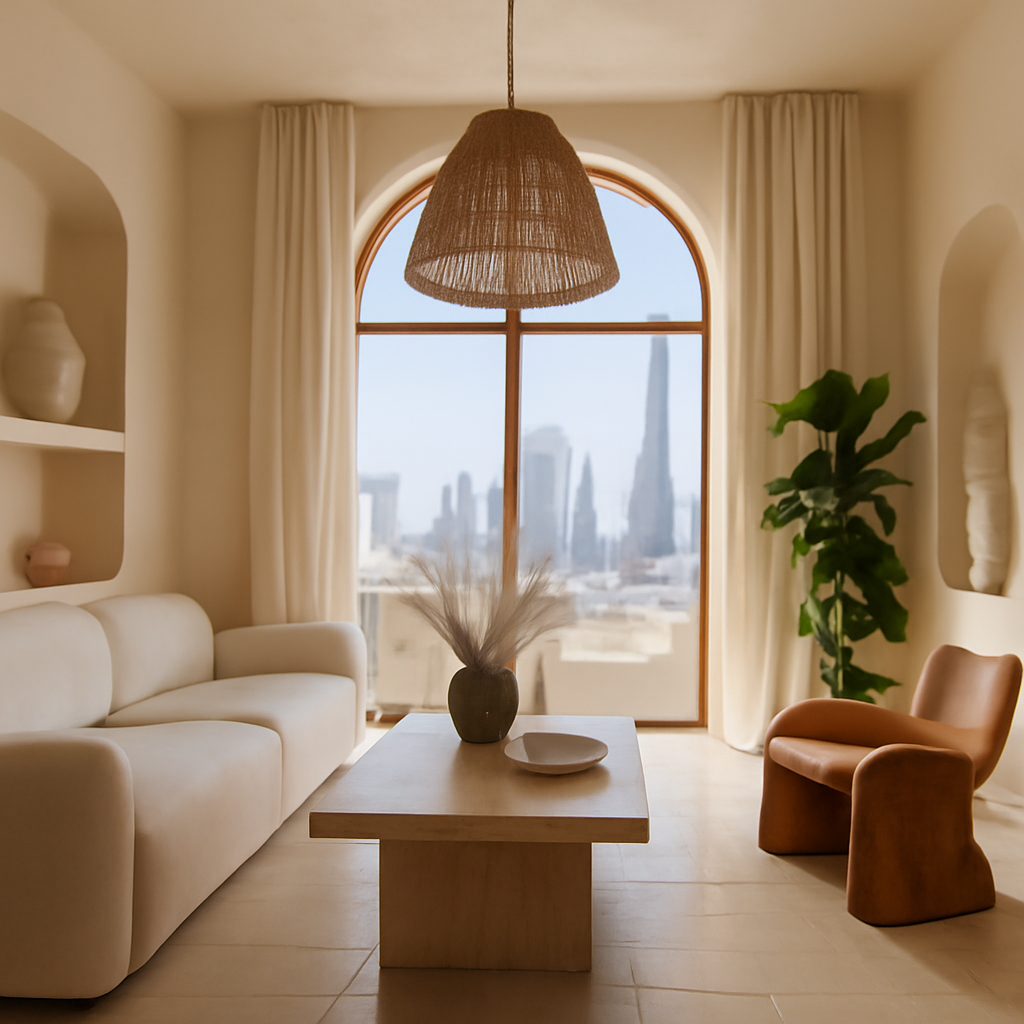
5 Interior Design Trends Reshaping Dubai Homes in 2026
The Dubai real estate landscape is evolving rapidly, and with it, the expectations of homeowners and tenants alike. For small business owners in the property and design sectors, staying ahead of these shifts is not optional—it is essential. This article explores five transformative interior design trends that are redefining how Dubai homes look, feel, and function in 2026, offering actionable insights for your next project or client consultation.
SECTION 1: Biophilic Design Goes Beyond Plants
Biophilic design has moved far beyond simply placing a few potted plants in a corner. In 2026, Dubai homes are embracing a deep integration of natural elements into their very architecture and layout. This trend responds to the city’s urban density and desert climate, creating indoor sanctuaries that promote wellbeing. Think living green walls that double as natural air purifiers, water features that introduce soothing soundscapes, and the use of raw materials like stone, reclaimed wood, and bamboo. For small business owners, this shift means specifying finishes that mimic nature—such as textured wallpapers and organic-shaped furniture—to meet rising client demand for spaces that reduce stress and improve focus. The goal is to blur the line between indoors and outdoors, making nature an integral part of daily living rather than a decorative afterthought.
SECTION 2: Smart Homes Become Truly Intuitive
Technology in interior design has matured from gimmicky gadgets to seamless, intuitive systems that anticipate user needs. In 2026, Dubai homes feature integrated smart lighting that adjusts colour temperature based on the time of day, automated blinds that respond to sun exposure, and climate control zones that learn occupant preferences. For small business owners managing rental properties or design projects, this trend presents a clear value proposition: smart homes command higher rents and resale values. The key is to specify systems that are user-friendly and interoperable, avoiding proprietary lock-ins that frustrate clients. Voice-controlled interfaces and centralised apps are now expected, not optional. When advising clients, emphasise that smart technology should enhance comfort and efficiency without adding complexity to daily routines.
SECTION 3: Multifunctional Spaces for Flexible Living
Dubai’s dynamic population—from young professionals to growing families—demands homes that adapt to changing needs. The era of single-purpose rooms is ending. In 2026, interior design prioritises flexibility: a guest bedroom that transforms into a home office, a living area with movable partitions for privacy, or a dining table that doubles as a work surface. For small business owners, this trend is a practical opportunity to maximise square footage in compact city apartments. Invest in modular furniture systems, sliding walls, and built-in storage solutions that allow a single room to serve multiple functions without feeling cluttered. When presenting designs to clients, focus on how these choices future-proof their investment, ensuring their home remains functional as their lifestyle evolves.
SECTION 4: Maximalism with Curated Intentionality
Minimalism is making room for a more expressive, personality-driven aesthetic. However, this is not a return to clutter. Maximalism in 2026 is about curated collections, bold colour palettes, and statement pieces chosen with intention. Think deep jewel tones like emerald and sapphire paired with metallic accents, or a single oversized artwork anchoring an otherwise restrained room. For small business owners, this trend offers a chance to differentiate their projects. Encourage clients to invest in fewer, higher-quality pieces that tell a story. The key is balance: every element should serve a purpose, whether visual or functional. This approach creates spaces that feel luxurious and personal, appealing to Dubai’s diverse, design-conscious clientele.
SECTION 5: Sustainable Materials as the New Standard
Sustainability is no longer a niche preference; it is a baseline expectation for discerning homeowners in Dubai. In 2026, interior design projects increasingly specify materials with verified environmental credentials. This includes low-VOC paints, recycled glass countertops, sustainably sourced timber, and textiles made from organic or recycled fibres. For small business owners, this shift means partnering with suppliers who can provide documentation and certifications. Clients are asking tough questions about supply chains and carbon footprints. The business case is clear: sustainable homes appeal to eco-conscious buyers and command premium pricing. Moreover, specifying durable, high-quality materials reduces long-term maintenance costs, a compelling argument for property investors and landlords.
KEY TAKEAWAYS
- Biophilic design now demands deep integration of natural elements into architecture and materials, not just decorative plants.
- Smart home technology should be intuitive and interoperable to add real value to rental and resale properties.
- Multifunctional spaces maximise utility in Dubai’s compact urban apartments, appealing to a diverse resident base.
- Curated maximalism allows for personal expression through intentional, high-quality statement pieces.
- Sustainable materials have become a baseline expectation, offering both environmental and financial benefits.
FAQ
Q: How can small business owners implement biophilic design on a modest budget?
A: Start with low-cost interventions like paint colours inspired by nature, natural fibre rugs, and easy-care indoor plants. Specify one or two high-impact natural materials—such as a stone feature wall or reclaimed wood shelving—to create a strong biophilic effect without overspending.
Q: What are the most important smart home features for rental properties in Dubai?
A: Focus on smart thermostats, keyless entry systems, and automated lighting. These features offer clear energy savings and convenience, making your property more attractive to tenants without requiring complex installation or high upfront costs.
Q: How do I ensure sustainable materials are authentic and not greenwashing?
A: Request third-party certifications such as FSC for wood, GREENGUARD for low emissions, or Cradle to Cradle for overall sustainability. Work with reputable suppliers who can provide traceability documentation, and educate your clients on what these labels mean.
CONCLUSION
The interior design trends shaping Dubai homes in 2026 reflect a deeper shift toward wellness, adaptability, and environmental responsibility. For small business owners in the property and design sectors, understanding these trends is not just about aesthetics—it is about delivering tangible value to clients. By embracing biophilic integration, intuitive technology, flexible layouts, curated expression, and sustainable materials, you can position your business at the forefront of a market that rewards innovation and foresight. The homes of tomorrow are being designed today, and the choices you make now will define your success in the years ahead.